

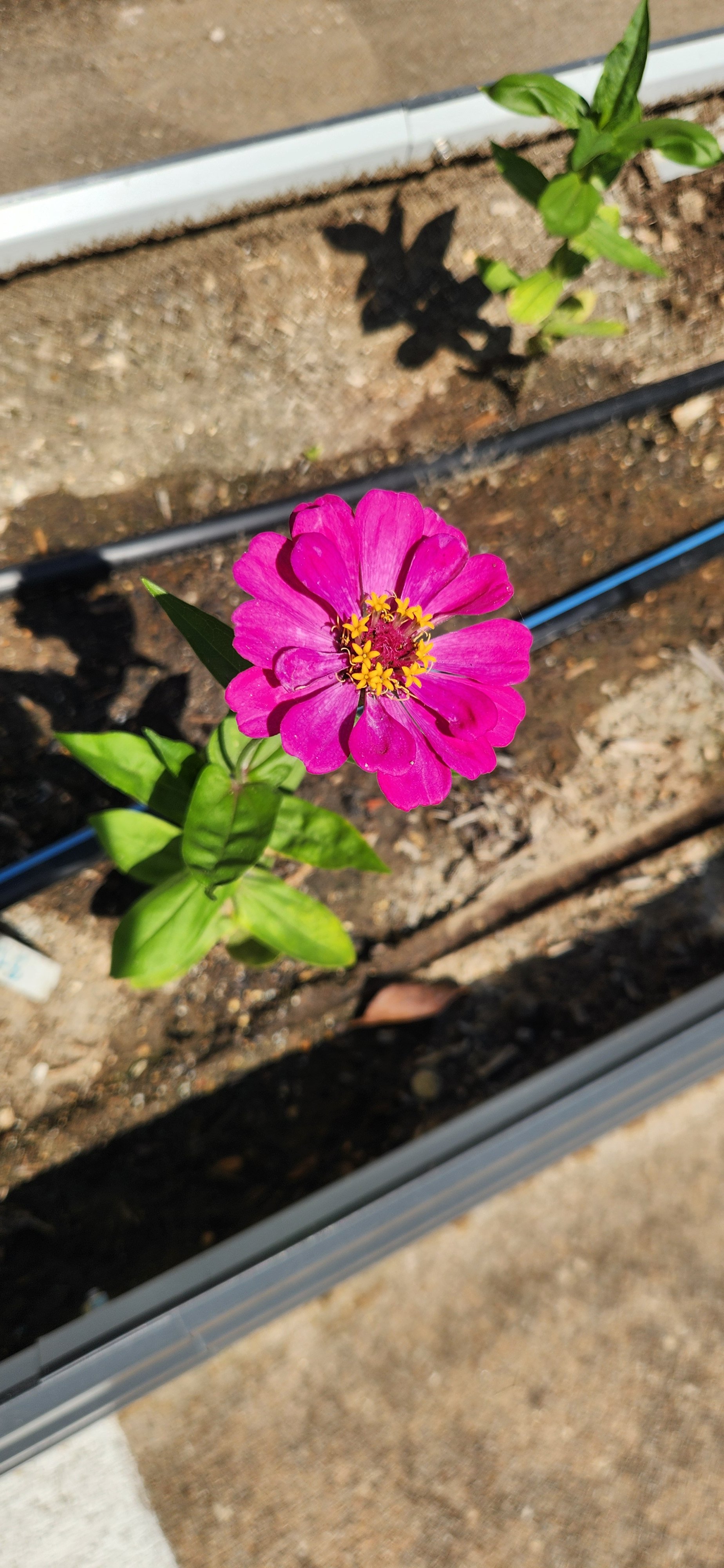
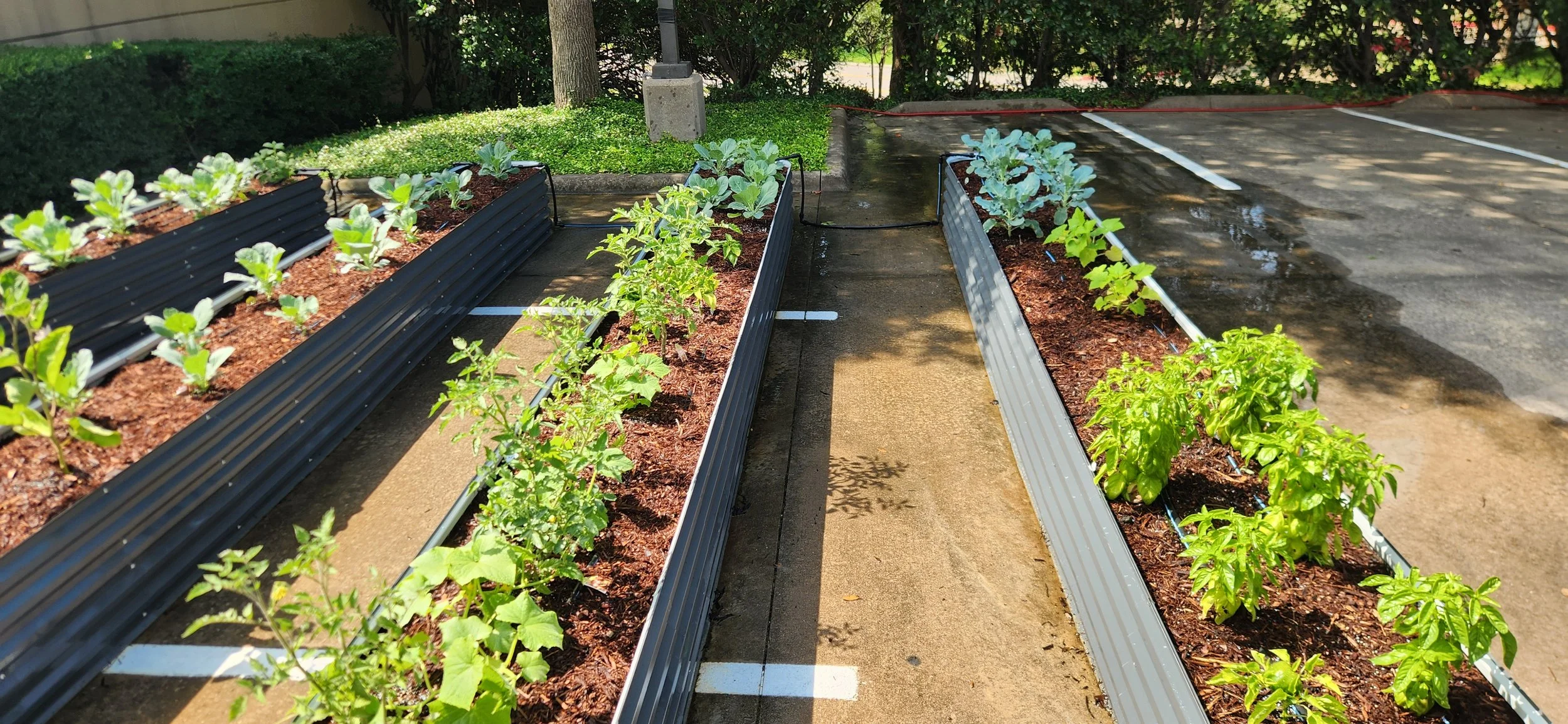
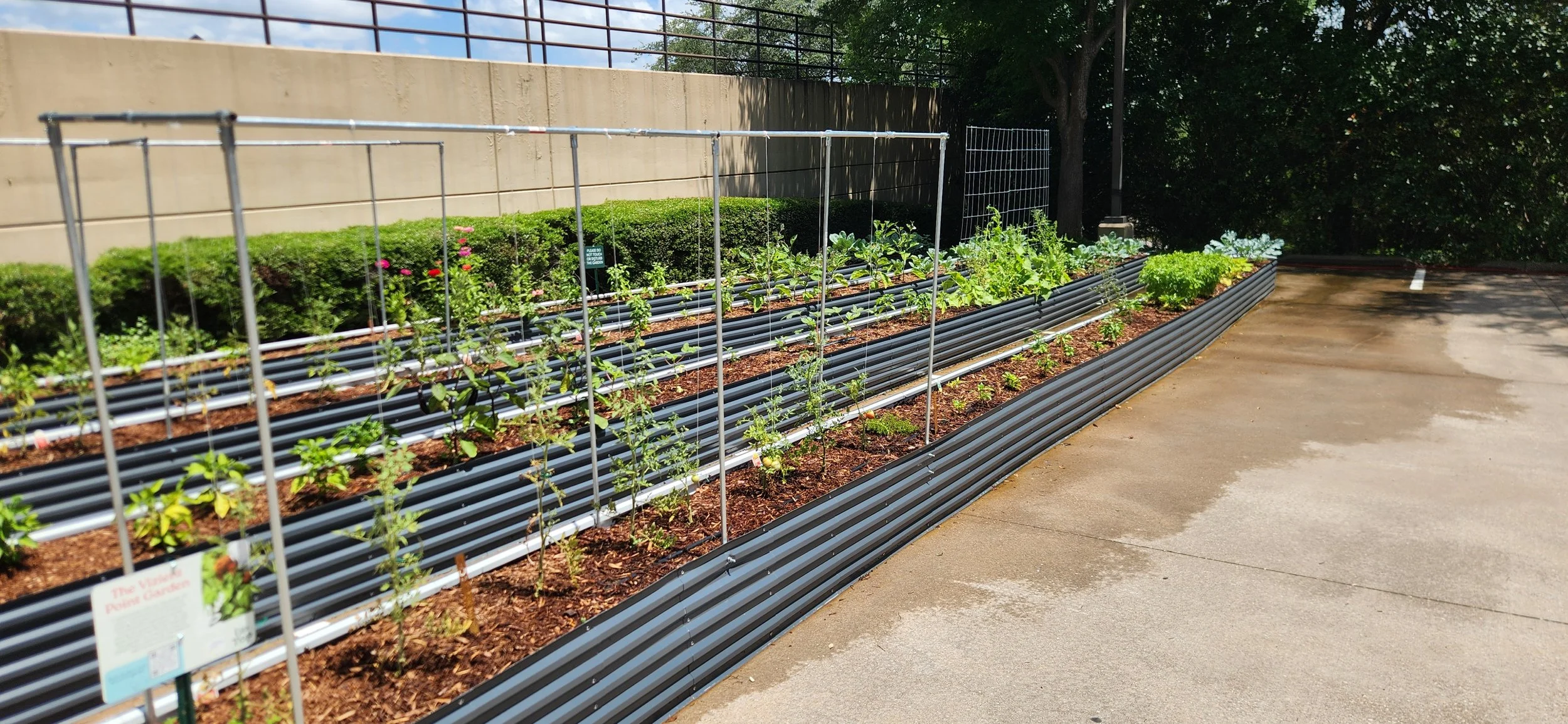
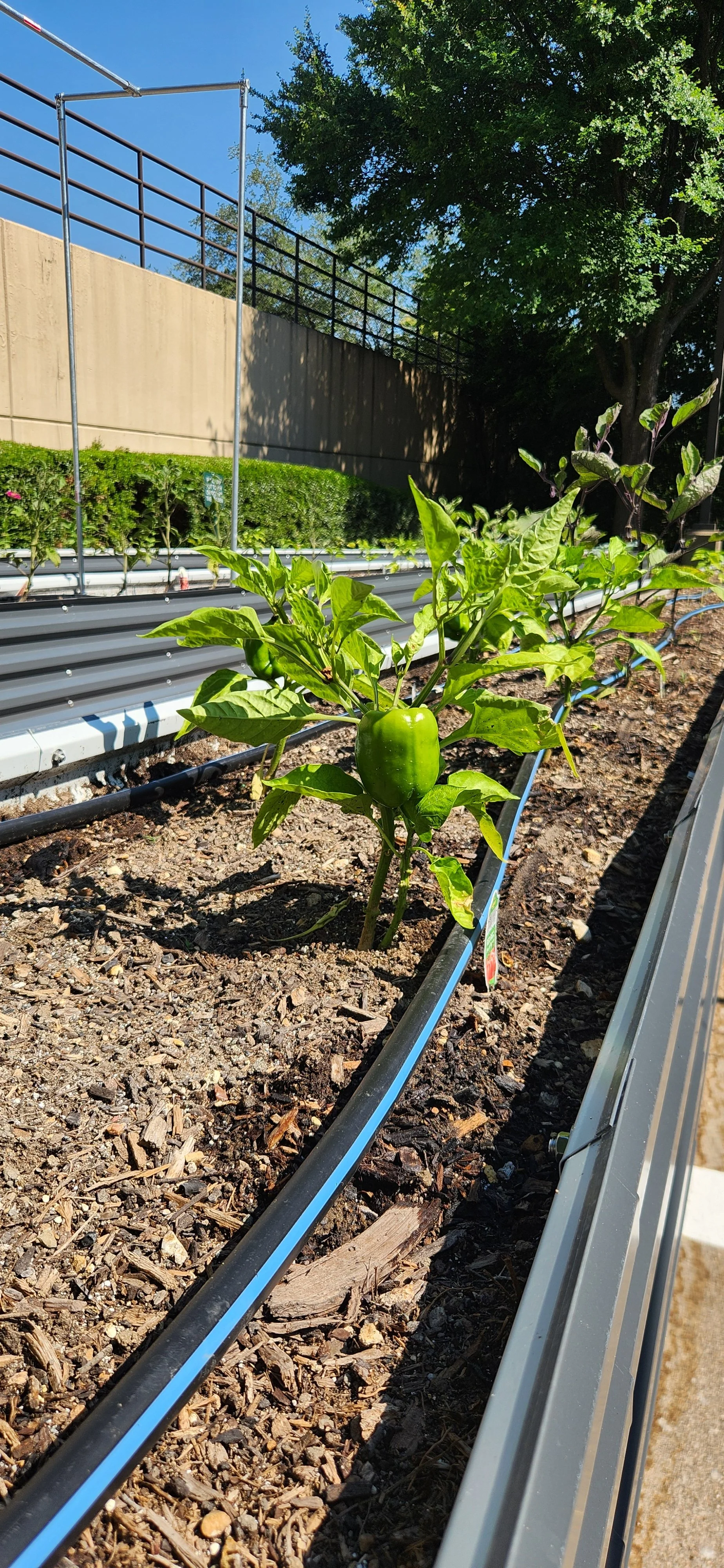
Spring in Texas can be fleeting, too often quickly replaced by its ominous and treacherous sibling, summer. The high temperatures can wreak havoc on the growing season, and selecting plants that can handle the heat becomes critical. We have succeeded at that. But so far this year, summer is seemingly being held at bay by unpredictable thunderstorms and small cold fronts that have allowed the usual suspects, tomatoes, peppers, herbs, squash, and cucumbers, to really thrive. Eggplant, okra, zinnias, and sunflowers are also doing great and will continue to flourish as temperatures escalate.
We are excited to get harvesting very soon!
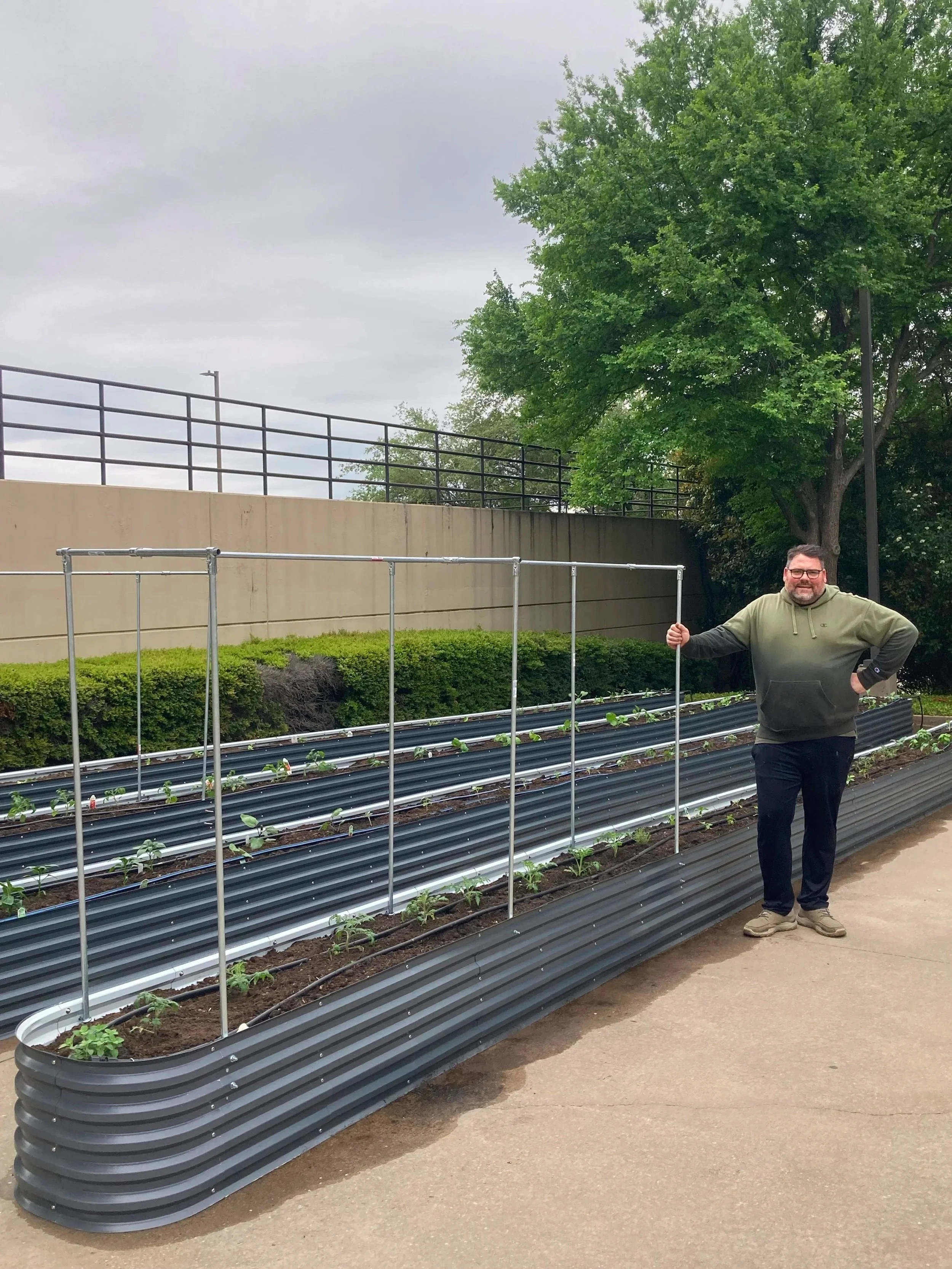
Meet Your 2026 Farmer-
Colin!
Well hello my name is Colin, I'm from Fort Worth, and this is my first season with Up Top Acres. I have a degree in horticulture from Texas A&M but it's my decades-long passion for plants, nature, and gardening that has made the difference in my urban farming career!
In This Spring
Collard greens
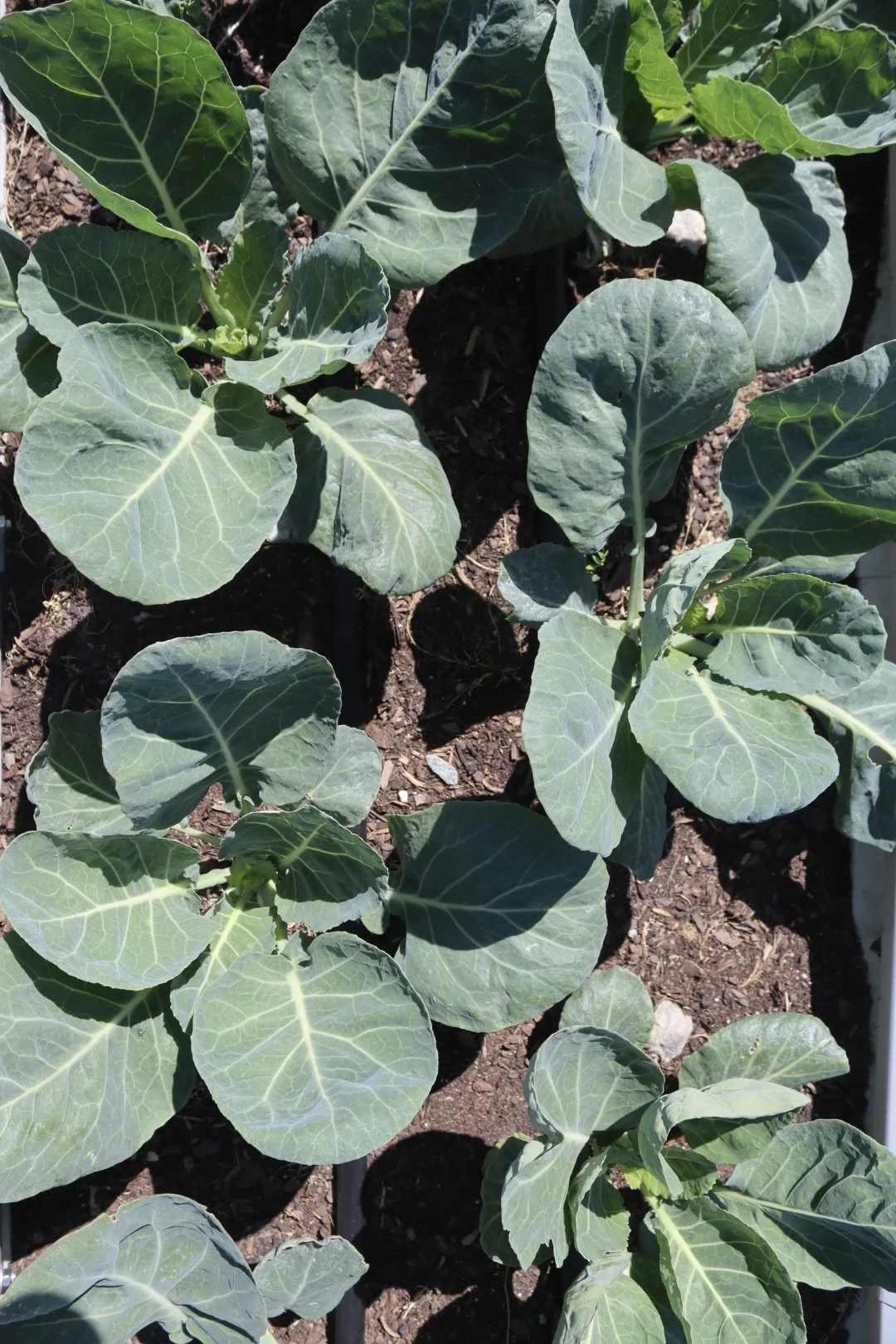
One of the most iconic crops in our gardens, collard greens thrive in both cool and warm weather, making them one of the most reliable and long-producing vegetables we grow. A staple of Southern cooking for centuries, they are as rich in history as they are in nutrition.
Fun Facts About Collard Greens
Taste & Texture: Flavor is hearty and slightly earthy, mellowing and sweetening after a frost or light blanching. Young leaves are more tender and mild, while mature leaves hold up beautifully to long, slow cooking.
Nutrition & Calories: One cup of cooked collards delivers over 1,000% of the daily value for Vitamin K and is loaded with Vitamins A and C, calcium, and folate, all for around 50 calories. Few vegetables pack this kind of nutritional punch.
Culinary Uses: Most famous for long-braised Southern-style preparations with smoked meat, but collards are also delicious sauteed with garlic, used as a sturdy wrap in place of a tortilla, or even sliced thin and eaten raw in slaws.
Harvest: Like kale, collards are a "cut and come again" crop. Harvesting the lower, outer leaves regularly keeps the plant productive and encourages tender new growth at the center.